
RISE (Resilience and Immediate Support for Emergency Relief) focuses on offering fast, essential aid to those affected by conflict and war in Lebanon.
RISE provides rapid, life-saving support to families and individuals impacted by conflict and disasters in Lebanon, led by youth and women committed to resilience and emergency relief.
Background
Lebanon is currently facing a significant humanitarian crisis due to escalating violence and internal displacement. The recent hostilities, including Israeli airstrikes since September 23, 2024, have resulted in hundreds of deaths, thousands of injuries, and extensive damage to homes, businesses, farms, hospitals, and critical infrastructure (HR Watch, 202), particularly affecting regions such as southern Lebanon, Bekaa, Baalbek, and Beirut.
The ongoing Israeli military offensives have killed hundreds and displaced an estimated 1.2 million people across the country, forcing many to flee their homes and leaving them desperate for shelter and basic necessities (UNHCR, 2024).


Objective
By fostering resilience and delivering immediate relief, RISE empowers communities to recover from crises, ensuring that vulnerable populations receive essential support during their most critical times of need. Our mission is to build stronger, more resilient communities by mobilizing youth and girls to take action and deliver emergency aid where it’s needed most.
Needs
The influx of displaced populations has overwhelmed local resources, including food, water, and healthcare services.
This strain on Lebanon’s capacity to provide basic services has led to economic instability, heightened risks of social unrest, and increased vulnerability to exploitation and abuse (UN News, 2024).
Target
- Internally displaced families and individuals due to the ongoing conflict.
- Vulnerable groups, including women, children, the elderly, and people with disabilities.
- Communities suffering from the destruction of homes, livelihoods, and basic infrastructure.
Impact
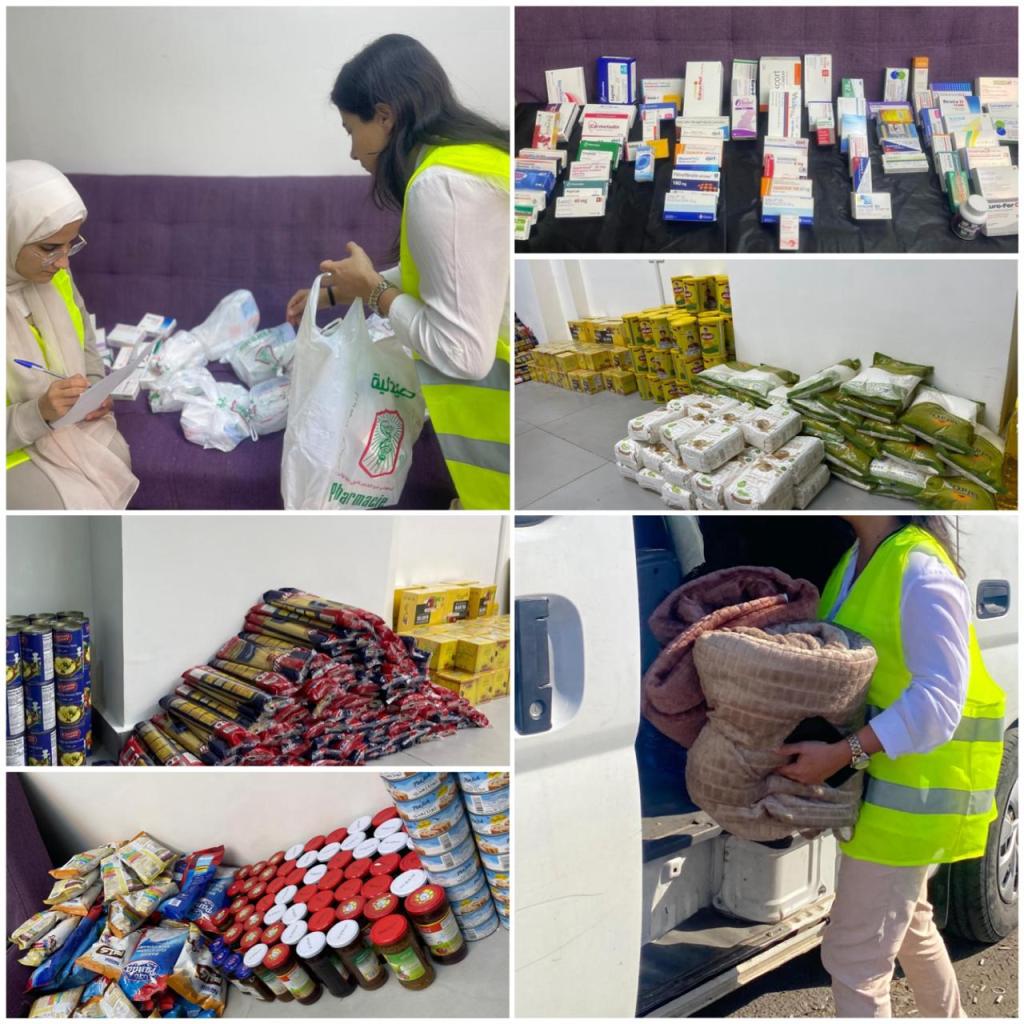
- Immediate Relief for 500 Displaced Families: The provision of food, medical kits, and shelter supplies significantly alleviated the immediate suffering of displaced families, ensuring they had access to essential nutrition, healthcare, and safe living conditions.
- Improved Health and Well-being: The distribution of medical kits and basic healthcare supplies helped reduce the risk of health crises among displaced populations, particularly in preventing malnutrition, hygiene-related illnesses, and complications due to a lack of medical care.
- Enhanced Shelter Safety: Providing essential items like mattresses and blanket created safer and more dignified living conditions, helping to reduce exposure to harsh weather conditions and potential health risks.
- Strengthened Community Resilience: By meeting basic needs, this support helped stabilize affected communities, allowing families to shift their focus towards rebuilding their lives. Additionally, it fostered community solidarity and enhanced resilience.
Donor
 Sustain The World